A Little
Preparation
Changes
the Whole Day
The guests who have the best time at Molokini are rarely the strongest swimmers or the most experienced snorkelers. They are the ones who showed up ready: comfortable in their gear, easy about the boat ride, and out on a morning trip while the water is at its calmest.
Get a few simple things right ahead of time, and the crater takes care of the rest.
Best Time to Snorkel in Maui: Go in the Morning
If you take only one tip from this page, make it this: snorkel Molokini in the morning. The time of day you are out at the crater matters more than almost anything else you can control.
Maui’s south shore waters are usually at their calmest in the morning, with lighter trade winds and more settled, consistent conditions before the wind builds later in the day. That morning window is the sweet spot, and it is why nearly every Molokini tour departs early. Being the very first boat in the water is not the goal, and it does not need to be. What matters is getting out during the calm morning hours with a crew that reads the day’s conditions and times your stops around them. A departure in the seven to nine o’clock range lands you squarely in that window without a pre-dawn alarm.
It also helps to know that Molokini is a protected Marine Life Conservation District with a limited number of permitted operators, so it never has the free-for-all feel of a crowded beach. The bigger variable by far is the wind, and the wind favors the morning. The best time to snorkel Molokini, and Maui generally, is a morning trip.
Time of year matters less than time of day, but the general pattern is worth knowing. Winter, roughly November through March, tends to bring bigger swells to Maui’s north and west-facing shores, while Molokini sits on the south side and stays comparatively sheltered most of the year. Winter also overlaps with humpback whale season, December through April, so a morning trip out to the crater often means whale sightings along the way, not a tradeoff for calmer water. Whatever month you visit, the same rule holds: go in the morning.

What to Wear Snorkeling in Maui (and Pack for Molokini)
You do not need much, but a few items make a real difference. Reef-safe sunscreen is the one to sort out before you leave your hotel. Hawaii law requires mineral, reef-safe formulas, and there is no shade out at the crater, so apply it early and bring it along to reapply.
A rash guard does double duty, protecting you from both the sun and any accidental brush against the reef, and it saves you from reapplying sunscreen across your whole back. Round it out with a hat, sunglasses, and a light layer for the cooler ride out in the morning air. Snorkel gear and flotation are provided on the boat, so the things worth packing are sun protection and whatever makes the ride more comfortable for you.
A swimsuit or rash guard in a snug, quick-dry fabric beats cotton, which stays wet and cold for the rest of the morning. If you are wearing a swimsuit under a rash guard, make sure it is one you trust in the water, tested and secure rather than new out of the box. Leave jewelry, watches, and anything else you would not want to lose back at the hotel. Beyond that, dress for a boat ride, not a beach day: something you can move in, layer over, and not think about once you are in the water.

Get Comfortable With Your Mask Before You Need It
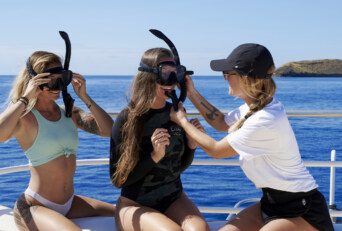
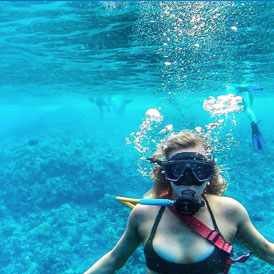
Most snorkeling trouble starts at the mask, not in the water. Take a minute at the first stop to get the fit right: the strap sitting high on the back of your head, the seal resting cleanly around your nose and cheeks, and no hair caught under the skirt. A mask that fits well is the difference between a relaxing float and a constant fight with leaks.
Fogging is the other common frustration, and it is easy to prevent. Rub a small amount of defog gel, or even a thin film of baby shampoo, around the inside of the dry lens, then give it a quick rinse before you put it on. Do this before each stop and you will spend your time looking at the reef rather than clearing your mask.
One local note worth knowing: full face snorkel masks are discouraged and, in some settings, restricted in Hawaii, because they make it harder to clear water and breathe naturally if something goes wrong. A traditional mask and snorkel is the safer, more reliable choice out at the crater. You can read more on our Maui snorkeling page.

Plan Ahead for the Ride Out
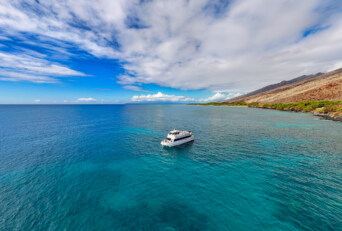
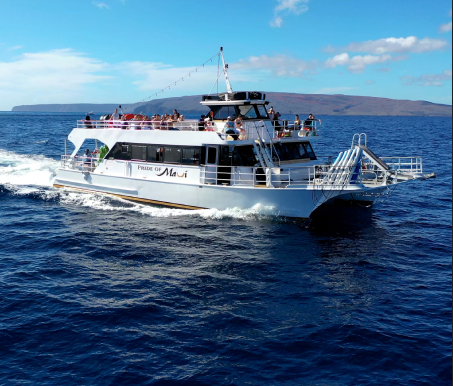
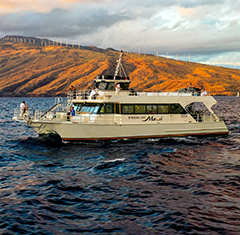
The crossing to Molokini is part of the fun, but the channel can be bumpy depending on the day, and it catches some guests off guard. If you are at all prone to seasickness, the time to deal with it is before you leave the dock, not after you start to feel it.
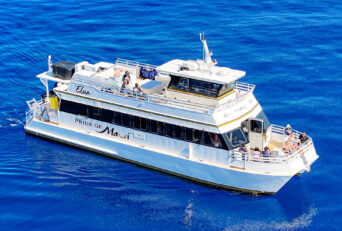
Take your remedy of choice ahead of departure, sit toward the middle of the boat where the motion is gentlest, and keep your eyes on the horizon during the ride rather than on your phone. Eat something light beforehand and stay hydrated. Handle this in advance and the ride out becomes one of the best parts of the morning, with turtles, dolphins, and in winter the humpback whales often showing up along the way.

Make the Most of the Crater
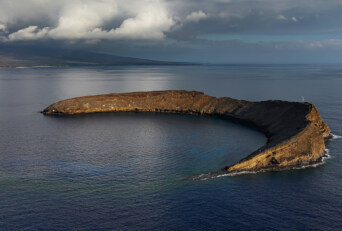
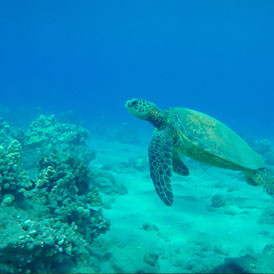
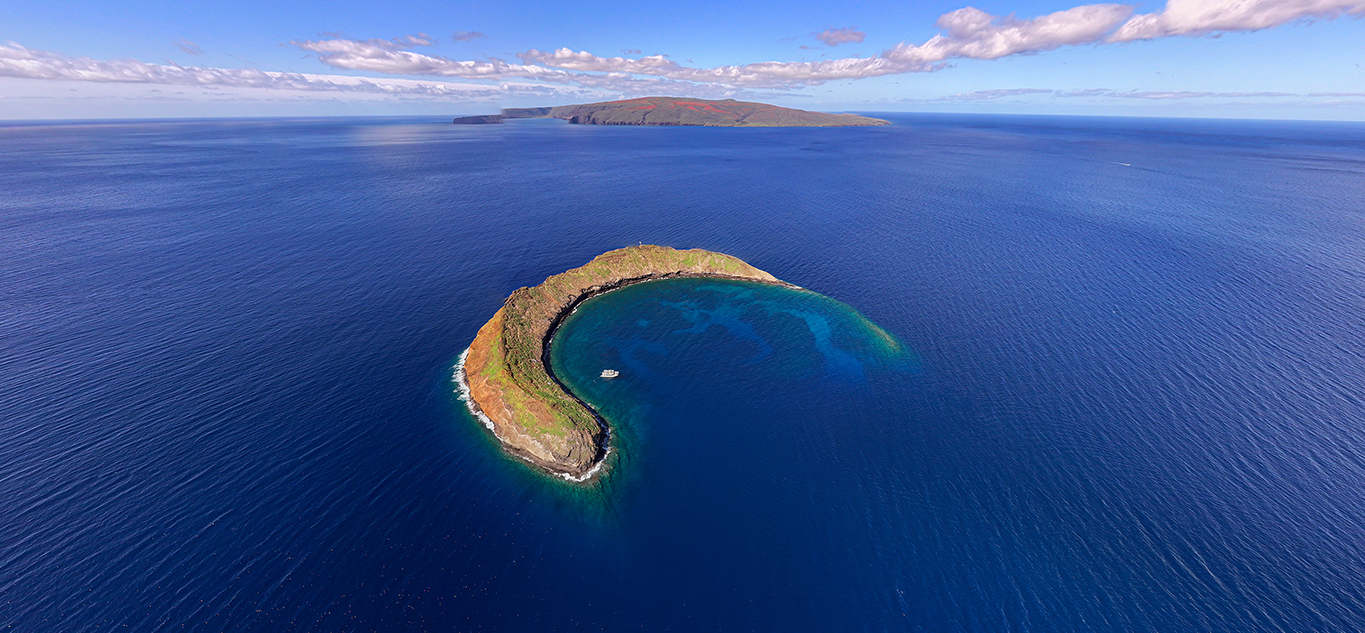
Molokini is a partially submerged volcanic crater, and its shape is the whole appeal. The inner rim shelters a calm, protected basin that is well suited to snorkelers of every comfort level, with reef and marine life close to the surface. Take your time here rather than racing from one spot to the next. Float, breathe slowly, and let the fish come to you.
If you have heard about the famous back wall, it is worth understanding what it is before you go. The outer side of the crater drops off dramatically, and how deep is Molokini Crater is a question a lot of guests ask: the rim rises to around 160 feet and the back wall falls away to roughly 250 feet and beyond. That makes it a stunning advanced dive site, but it is an exposed, deep-water environment rather than a casual snorkel. Most snorkel time is spent inside the sheltered basin, which is exactly where you want to be. For more on the crater itself, see our Molokini destination guide.
“The guests who slow down see the most,” says Captain Justin Turner. “The reef does not perform on a schedule. The people who stop chasing it and just hang at the surface for a while are the ones who come back to the boat talking about the turtle that swam right under them.”


A Few Tips for Families and Nervous First-Timers
Molokini works well for mixed groups, and a little reassurance goes a long way. If anyone in your party is unsure about the water, let the crew know early. They fit masks, sort out flotation vests, and talk people through entry one at a time, and the calm basin inside the crater is an easy place to find your feet.
The most common challenge is rarely swimming. It is getting used to breathing slowly through the snorkel with your face in the water, which tends to settle within the first few minutes. Kids often go from tentative at the first stop to the most confident snorkelers on the boat by the second. If you are weighing whether the crater is the right fit for a first-timer in your group, our guide on whether Molokini is good for first-time snorkelers walks through it in more detail.

Ready for the Crater
None of this is hard, and that is the point. Aim for a morning trip, sort your sunscreen and your mask, plan ahead for the ride out, and give yourself time to slow down once you are in the water. Do those few things and Molokini tends to live up to everything you have heard about it.
If you want help picking the departure that fits your group, our reservations team is happy to point you toward the trips that tend to work best. You can browse our Molokini snorkel tours, read up on what a Maui snorkel boat tour is actually like, or get in touch directly.
Frequently Asked Questions
What is the best time of day to snorkel Molokini Crater?
Morning. Morning trips generally find the calmest water and the lightest winds, before the trade winds build through the day, which is why most Molokini tours depart in the early morning hours.
What should I wear and pack to snorkel Molokini?
Reef-safe sunscreen is required in Hawaii, so bring that along with a rash guard for sun and reef protection, a hat, sunglasses, and a light layer for the ride out. Snorkel gear and flotation are provided on the boat.
How do I keep my snorkel mask from fogging?
Rinse the mask, apply a small amount of defog or a thin film of baby shampoo to the inside of the lens, then rinse lightly before you get in. A snug, comfortable strap and a good seal across the nose matter more than most first-timers expect.
Is the boat ride to Molokini rough?
The crossing to Molokini can be bumpy depending on the day. If you are prone to seasickness, take a remedy before departure, sit toward the middle of the boat, and keep your eyes on the horizon during the ride out.
What is the best time to snorkel in Maui?
Morning, generally between 7 and 9 a.m., is the best time to snorkel almost anywhere on Maui, including Molokini. Trade winds are lightest and the water is calmest before they build through the day. Conditions stay fairly consistent year-round on Maui’s south shore, though winter (roughly November through March) can bring bigger swells to north and west-facing spots. Winter also overlaps with humpback whale season, December through April, so a morning trip often comes with whale sightings along the way.
What should I wear snorkeling in Maui?
A swimsuit or rash guard, reef-safe sunscreen, and a hat and sunglasses for the boat ride cover most of what you need. A rash guard is worth wearing even on a warm day since it protects against sun and any accidental reef contact without needing constant sunscreen reapplication. Leave jewelry and other valuables back at the hotel. Snorkel gear and flotation are provided on the boat.