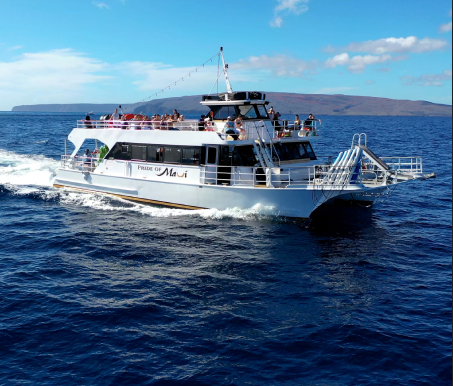
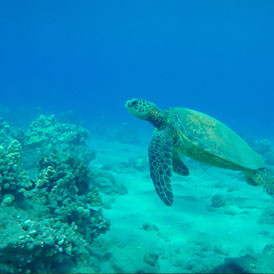

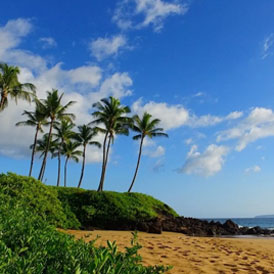
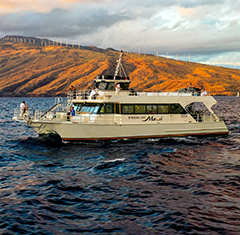
Ocean conditions shape every part of a Maui snorkel tour, including where boats go, how calm the water feels, and how clear the underwater visibility is.
How Ocean
Conditions Shape
Your Snorkel
Tour Experience
Crews evaluate conditions constantly and adjust throughout the morning, but the ocean still plays a role in how each tour unfolds. What changes isn’t whether the experience is enjoyable. It’s how that experience feels moment to moment.
Maui snorkel tours are shaped by four core factors: wind, swell, water clarity, and currents.
Ocean Conditions Affect Travel Time, Route, and Comfort on the Boat
Ride conditions and comfort
Ocean conditions directly affect how smooth or rough the boat ride feels during a snorkel tour.
Wind is one of the biggest decision drivers.
Light winds often mean calmer surface conditions and better visibility. Strong winds can create chop, reduce comfort, and make water entry more difficult. Even when conditions look manageable overall, wind can still add surface chop and build stronger currents as the morning goes on.
Crews are not just asking if it’s windy. They’re looking at where the wind is coming from and how it will affect specific snorkel locations throughout the trip.
Travel time and location choices
Ocean conditions determine where snorkel tours go and how long it takes to reach each location.
Crews evaluate swell height, period, and how it interacts with Maui’s coastline and reef structures. Even moderate swell can make certain areas uncomfortable if it wraps into a protected spot.
Because of this, the same snorkel tour can follow different routes on different days to stay in the best possible conditions.

What Changes in the Water
Even small shifts in wind or swell can change how easy snorkeling feels, especially for first-time snorkelers.
Calm conditions reduce effort, while more active conditions simply change how you move and position yourself in the water.
Because of this, even small changes in ocean conditions can noticeably affect how a snorkel tour feels from one day to the next.
These changes are a normal part of ocean conditions and are expected on any Maui snorkel tour.
How calm the water feels
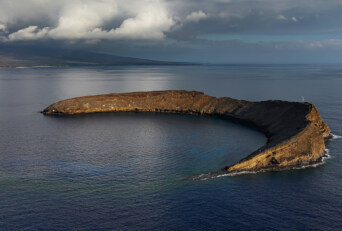
Ocean conditions directly affect how calm or active the water feels once you’re in it. This typically means light winds, minimal swell, and strong visibility. On these days, Molokini offers clear water, protection inside the crater, and a wide range of marine life.
A calm Molokini day is one of the best snorkel experiences in Maui. But when conditions aren’t right, it can feel exposed and uncomfortable. That’s why crews don’t force it.
How easy it is to snorkel
Ocean conditions influence how easy snorkeling feels, especially for first-time snorkelers.
Wind can create rough surface conditions, swell can enter the crater, and visibility may not meet expectations. Choosing not to go is not a compromise. It’s a decision to avoid forcing a location that won’t deliver a comfortable experience. If conditions at a planned location don’t support a calm and comfortable experience, crews will choose a different site.

Even small changes in wind or swell can make a noticeable difference in how comfortable and stable you feel in the water.
What Changes with Visibility
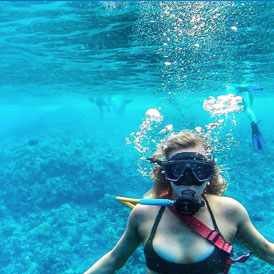
Underwater visibility in Maui can change hour by hour based on wind, swell, and light conditions.
Water clarity
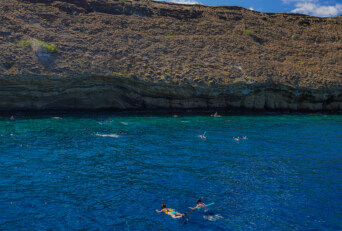
Water clarity is directly affected by ocean movement, which can stir up sand and reduce visibility. That’s one reason South Maui spots like Turtle Town can work well on the right day, since that coastline is often more protected from the prevailing trade winds than more exposed areas.
It offers more protection from certain wind directions and is known for frequent turtle sightings. On the right day, it can provide a more relaxed and enjoyable experience than a more exposed location.
Marine life visibility
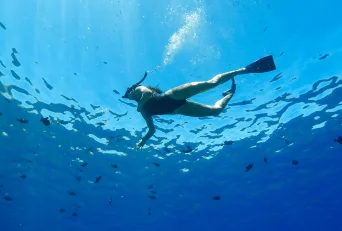
Marine life visibility depends on both water clarity and how comfortable conditions are for observing the reef.
It can offer calm, shallow reef areas and a different marine environment when conditions are stable on the west side. Like every site, it depends on the day.
This is why visibility can range from crystal clear to more limited conditions within the same day.

What Doesn’t Change on a Well-Run Tour
Safety and crew support
Safety procedures and in-water support remain consistent regardless of ocean conditions. This can change how a location feels in a short amount of time.
Equipment and flotation
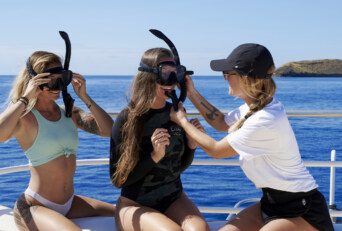
Snorkel gear and flotation support are always provided to help guests feel comfortable in a range of conditions. It can improve or decline depending on movement in the water and environmental factors.
Ongoing decision-making
Crew members continuously monitor ocean conditions and adjust plans throughout the tour.
Why Two Snorkel Tours Can Feel Completely Different
Two snorkel tours in Maui can feel completely different because ocean conditions change throughout the day and from one day to the next.
One may feel calm and effortless. Another may feel more dynamic. Both can still be enjoyable, but the experience is shaped by the ocean that day.
The best snorkel experience isn’t tied to a fixed location. It’s shaped by the conditions that day.
These differences are normal and reflect how tours adapt to real-time ocean conditions rather than following a fixed plan.

This is why two snorkel tours in Maui can feel completely different, even when they follow similar routes.
What This Means for First-Time Snorkelers
Changing ocean conditions are a normal part of snorkeling in Maui and are carefully managed by experienced crews.
You don’t need perfect conditions to have a good experience. You need conditions that are appropriate for comfort and safety.
Crews are focused on finding those conditions and adjusting as needed so guests can relax and enjoy their time in the water.
This is why first-time snorkelers are often surprised by how manageable and enjoyable the experience feels, even when conditions vary.
How to Know You’re in Good Hands on a Maui Snorkel Tour
A well-run snorkel tour adapts to ocean conditions in real time to keep guests safe, comfortable, and in the best possible water.
If you want to see how these decisions come together across a full experience, you can explore what a Maui snorkel tour looks like from start to finish:
https://www.prideofmaui.com/trips/maui-snorkeling-tours/
If you’re interested in how crews read ocean conditions before you ever enter the water, this guide explains the process in more detail:
https://www.prideofmaui.com/blog/maui/maui-snorkel-crews-decide-conditions/
Every snorkel
tour reflects the
ocean that day
The experience may change from one day to the next, but the goal stays the same: calm water, clear visibility, and a comfortable, well-supported time in the ocean.
The best snorkel tours don’t fight ocean conditions, they adapt to them to create the safest and most enjoyable experience possible.
Understanding how ocean conditions affect your tour helps set clear expectations and makes the experience more enjoyable from start to finish.