

What Affects
Visibility at
Molokini
Water clarity is shaped by several moving factors, not just one condition. Wind, swell, currents, and even biological activity all influence how clear the water appears at any given time.
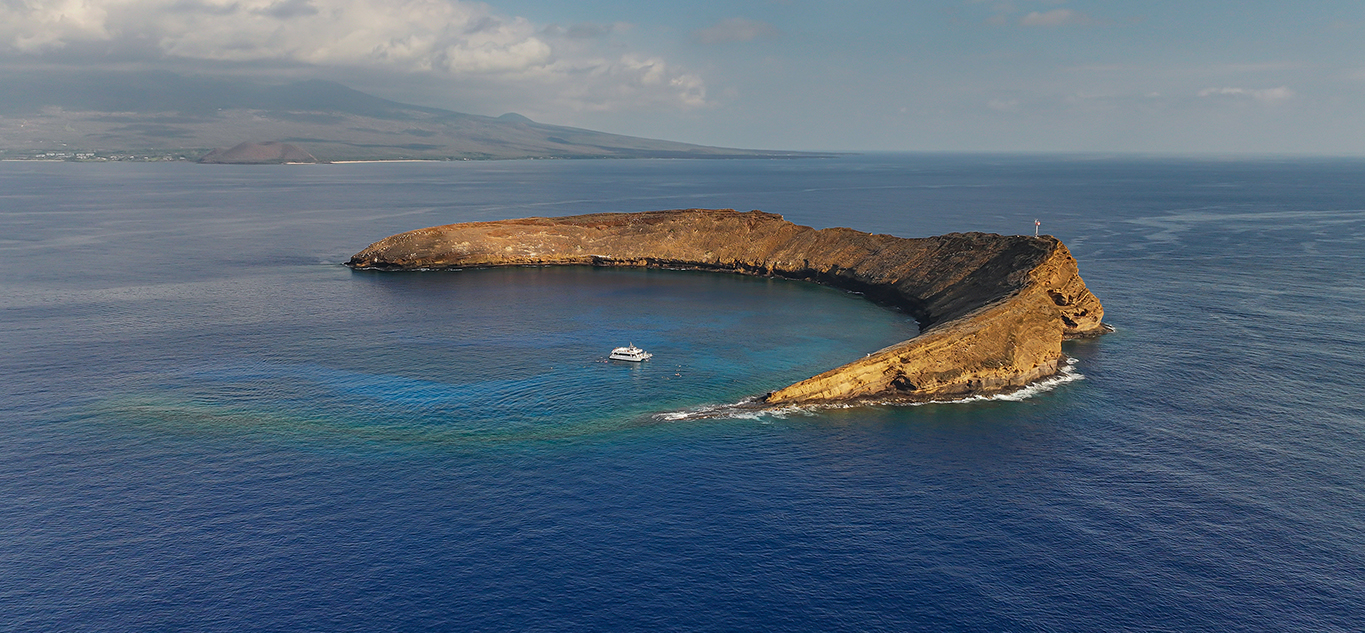
Molokini visibility changes as conditions shift, not because the location itself changes.
How Wind Can Affect Water Clarity
Surface disturbance
Wind creates surface movement, which can scatter light and make the water appear less clear from above.
Sediment movement
Even small increases in wind can stir up fine particles, especially near reef areas. This reduces clarity and creates a slightly hazy appearance.
Even light wind can reduce visibility by disturbing the surface and moving particles through the water.

How Swell and Ocean Movement Play a Role
Water mixing
Swell introduces movement below the surface. This can mix clearer water with areas that contain more particles or plankton.

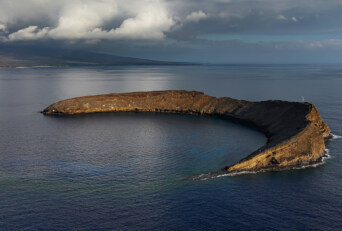
Energy around the crater
Depending on direction, swell can push water into or around Molokini, changing how settled or active the water feels.
How Currents Influence Visibility
Directional flow
Currents move water through the area, bringing in different levels of clarity.

Changing conditions over time
As currents shift, visibility can improve or decline even within the same snorkel session.
Clear water can change quickly as currents bring new water into the area.
The Role of Plankton and Marine Life
Natural ocean activity
Plankton and microscopic life are always present in the water. When levels increase, they can make the water appear less clear.
This natural activity can slightly reduce clarity, even when overall conditions feel calm.
Why this isn’t a bad thing
More biological activity often means a healthier ecosystem, even if it slightly reduces visibility.

Why Visibility Often Changes Throughout the Morning
Increasing wind
Maui typically sees wind increase as the morning progresses. This affects surface conditions and clarity.
Combined factors
Wind, swell, and currents don’t act independently. As they combine, visibility shifts in ways that can feel unpredictable.
Visibility is often best earlier in the morning, before wind and movement increase.


What This Means for Your Snorkel Experience
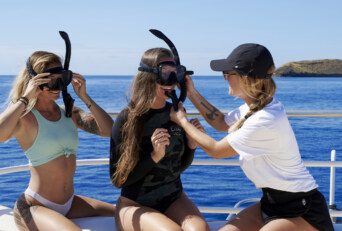
Visibility plays a big role in how snorkeling feels.
Clear water makes it easier to see reef features and marine life. Slightly reduced visibility doesn’t remove the experience, but it changes how quickly you notice what’s around you.

Why Two Visits to Molokini Can Feel Completely Different
Even at the same location, visibility can vary widely.
One day may feel exceptionally clear. Another may feel slightly muted. Both are normal, and both reflect changing ocean conditions rather than a change in the destination itself.
Molokini doesn’t change — the conditions around it do.
How Crews Factor Visibility Into Their Decisions
If visibility is not ideal at Molokini, crews may:
- adjust location within the crater
- shift timing
- choose an alternate snorkel site
Clear water is part of the experience, not a guarantee
Molokini can offer incredible visibility, but it isn’t fixed from one moment to the next. Conditions shape what you see, and those conditions change throughout the day.
The goal isn’t perfect clarity. It’s finding the best possible experience in the conditions that exist at that time.