What Crews
Look At Before
Leaving the Harbor
Before the boat even leaves the dock, crews are already assessing the ocean. Forecasts are reviewed, but just as important is what they can see and feel in real time. Conditions on Maui can shift quickly, and small changes often determine where the best experience will be that day.
Maui snorkel crews decide where to go by evaluating wind direction, swell, water clarity, and currents in real time. The goal is to choose the safest and most comfortable conditions for that day.
How Crews Evaluate Conditions Before Departure
Wind direction and strength
Because these reefs are accessible from land, they are often the first snorkeling spots visitors try.
Wind is one of the biggest decision drivers.
Light winds often mean calmer surface conditions and better visibility. Strong winds can create chop, reduce comfort, and make water entry more difficult. Even when conditions look manageable overall, wind can still add surface chop and build stronger currents as the morning goes on.
Crews are not just asking if it’s windy. They’re looking at where the wind is coming from and how it will affect specific snorkel locations throughout the trip.
Swell size and direction
Swell is the movement of energy through the ocean, and it behaves very differently depending on direction.
Crews evaluate swell height, period, and how it interacts with Maui’s coastline and reef structures. Even moderate swell can make certain areas uncomfortable if it wraps into a protected spot.
Ocean visibility
Clear water depends on more than just sunshine.
Visibility is influenced by recent weather, wind stirring up sediment, plankton in the water, and how currents are moving. A location known for clarity can still be murky on a given day.
Currents
Currents affect how easy and relaxing snorkeling feels.
Strong or shifting currents can tire out beginners quickly and reduce confidence in the water. Crews prioritize locations where guests can float comfortably and move at their own pace.

Why Molokini Is Not Always the Right Choice
When Molokini works well
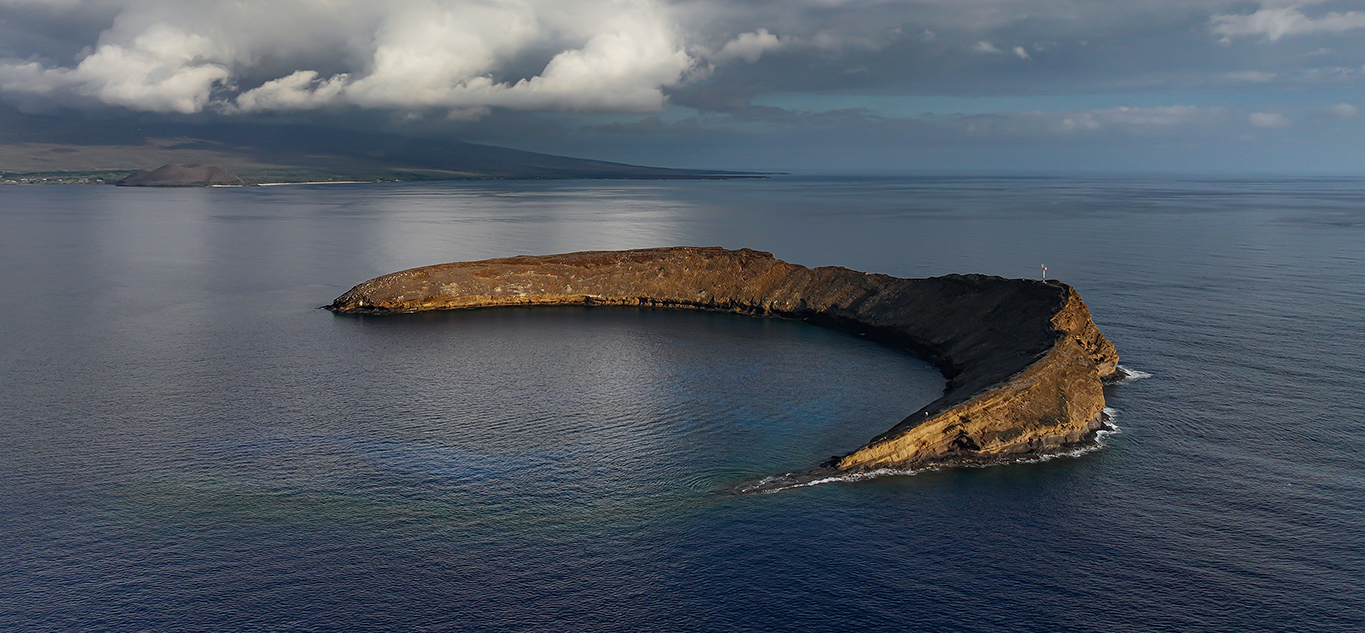
Molokini Crater is often chosen when conditions align. This typically means light winds, minimal swell, and strong visibility. On these days, Molokini offers clear water, protection inside the crater, and a wide range of marine life.
A calm Molokini day is one of the best snorkel experiences in Maui. But when conditions aren’t right, it can feel exposed and uncomfortable. That’s why crews don’t force it.
When crews choose not to go
There are also days when Molokini is not the best experience.
Wind can create rough surface conditions, swell can enter the crater, and visibility may not meet expectations. Choosing not to go is not a compromise. It’s a decision to avoid forcing a location that won’t deliver a comfortable experience. If conditions at a planned location don’t support a calm and comfortable experience, crews will choose a different site.

How Crews Choose Alternate Snorkel Sites
Turtle Town
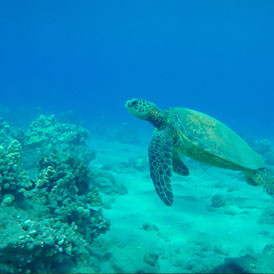
Turtle Town is often selected when south shore conditions are calmer. That’s one reason South Maui spots like Turtle Town can work well on the right day, since that coastline is often more protected from the prevailing trade winds than more exposed areas.
It offers more protection from certain wind directions and is known for frequent turtle sightings. On the right day, it can provide a more relaxed and enjoyable experience than a more exposed location.
Olowalu Reef
Olowalu is another alternative that crews consider carefully.
It can offer calm, shallow reef areas and a different marine environment when conditions are stable on the west side. Like every site, it depends on the day.

Why Conditions Can Change During a Tour
Wind can build
Morning conditions can be calm, with wind increasing as the day progresses. This can change how a location feels in a short amount of time.
Visibility can shift
Water clarity is not fixed. It can improve or decline depending on movement in the water and environmental factors.
Currents can change direction
Even subtle shifts in current can affect comfort and how easy it is to stay in a safe snorkeling area.

What This Means for First-Time Snorkelers
For first-time snorkelers, this process is working in your favor.
Crews are not trying to stick to a fixed plan. They are constantly adjusting to find the calmest, most comfortable conditions available that day. This helps create a more relaxed experience, especially for beginners.
Why These Decisions Build a Better Experience
There’s a common misconception that the best tours always go to the same place.
In reality, the best experiences come from crews who adapt. They prioritize safety, comfort, and real conditions over expectations or routine.
How This Connects to Your Maui Snorkeling Experience
If you want to see how these decisions come together on the water, you can explore what a full tour looks like here: https://www.prideofmaui.com/trips/maui-snorkeling-tours/
The ocean changes,
and great crews
change with it
The best snorkel days aren’t decided in advance. They’re shaped in real time. The best snorkel location isn’t fixed, it’s chosen based on the safest and most comfortable conditions that day.
Sometimes that leads to Molokini. Sometimes it leads somewhere else. Either way, the goal stays the same. A safe, comfortable, and memorable experience in the water.