
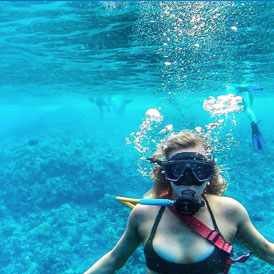
Two Ways to
Snorkel in Maui
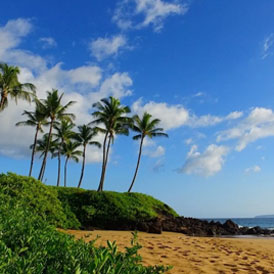
Shore snorkeling begins from the beach, where swimmers enter the water and explore reefs close to the coastline. Conditions can vary depending on waves, wind, and the shape of the shoreline.
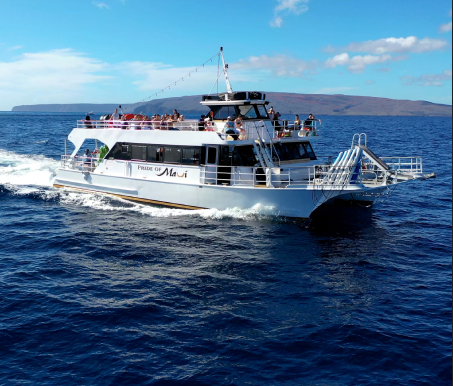
Boat snorkeling travels farther offshore to reef systems that are difficult to reach from land, including places like Molokini Crater. These locations can offer a different kind of snorkeling environment compared with reefs found near beaches.
Boat Snorkeling vs Shore Snorkeling in Maui: Quick Comparison
Travelers often ask whether snorkeling from the beach or taking a boat tour is the better option. The answer depends on the type of experience you want and the ocean conditions on any given day.
| Factor | Shore Snorkeling | Boat Snorkeling |
|---|---|---|
| Access | Reefs near beaches | Offshore reefs like Molokini |
| Entry | Walk into the ocean from shore | Enter from a boat |
| Visibility | Can vary near shoreline | Often clearer offshore |
| Support | Self-guided | Crew assistance and guidance |
| Equipment | Typically rented separately | Usually provided |
| Locations | Limited to accessible beaches | Multiple reef destinations |
One reason many visitors choose boat snorkeling in Maui is to reach offshore reefs like Molokini Crater, which sits several miles from shore and cannot be reached from beaches.
What Is Shore Snorkeling in Maui?
Entering the ocean from the beach

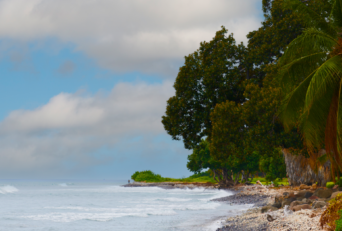
Shore snorkeling means accessing reefs directly from the coastline. Snorkelers enter the water from the beach and swim out toward coral areas where fish and other marine life gather.
Popular locations for shore snorkeling in Maui include:
- Kapalua Bay
- Honolua Bay (seasonal conditions)
- Ulua Beach
- Ahihi-Kinau coastal areas
Because these reefs are accessible from land, they are often the first snorkeling spots visitors try.
Shoreline conditions affect visibility
The biggest variable with shore snorkeling is ocean conditions. Wind, waves, and shoreline surge can change throughout the day.
Even small swells can stir up sand and reduce visibility close to shore.
Morning hours are often the calmest, which is why experienced snorkelers frequently enter the water earlier in the day before afternoon winds increase.
What Is Boat Snorkeling in Maui?
Traveling to offshore reefs

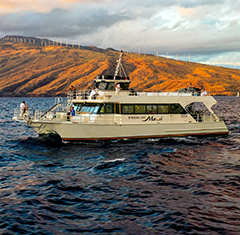
Boat snorkeling tours depart from Maui harbors and travel to reef areas that are difficult to reach from shore.
These locations may include:
- Molokini Crater
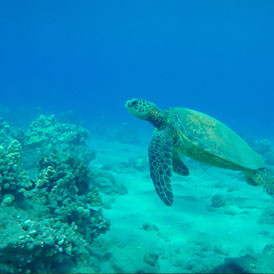
- Turtle Town areas along South Maui
- offshore reef systems beyond the coastline
By traveling offshore, boats can access reefs that are less affected by shoreline waves and sand movement.
Why Molokini Crater is different
Molokini Crater is one of the most well-known snorkeling locations in Hawaii.
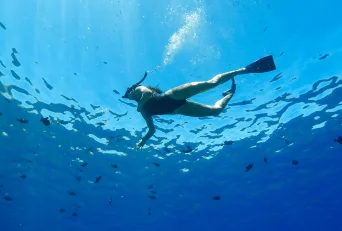
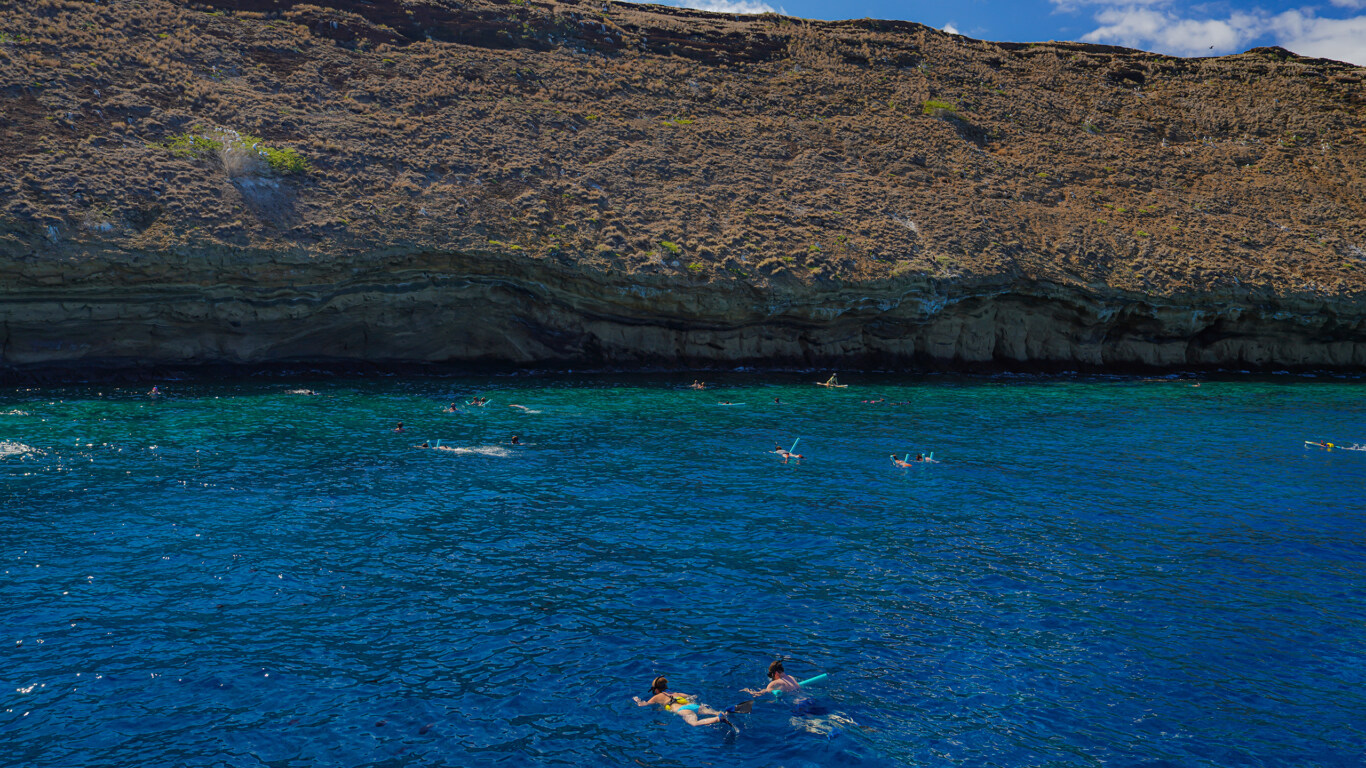
Because the crescent-shaped crater sits several miles offshore, the interior reef is partially protected from ocean swells. This often creates conditions that allow for excellent underwater visibility.
Many guided tours visit this location, including the Molokini snorkeling tour, which travels directly to the crater and nearby reef habitats.
How Boat and Shore Snorkeling Compare
Reef access
Shore snorkeling is limited to reefs located near beaches, which means access depends on the geography of the coastline and how far swimmers are comfortable traveling from shore.
Boat snorkeling allows visitors to reach offshore reef systems that are not accessible from land.
Ocean conditions
Shoreline snorkeling is often influenced by waves and sand movement near the coast.
Boat tours typically travel to areas selected for favorable conditions that morning. Captains and crews evaluate wind, swell direction, and visibility before choosing snorkeling locations.

Guidance and support
Shore snorkeling is usually self-guided. Visitors bring or rent equipment and explore independently.
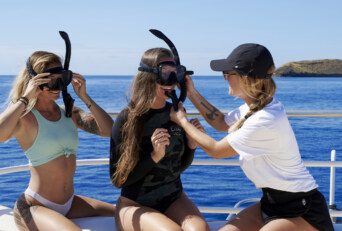
Boat snorkeling tours often include safety briefings, flotation devices, and crew members who assist guests in the water. For many travelers, especially first-time snorkelers, this additional support can make the experience more comfortable.

When Each Option Works Best
When shore snorkeling may be the better choice
Shore snorkeling can work well when:
- ocean conditions are calm
- a reef is located close to shore
- you feel comfortable swimming independently
- you want flexibility during your day
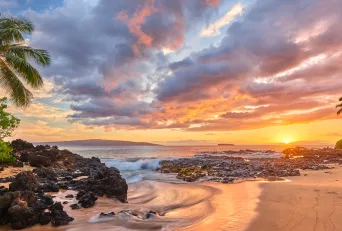
Many Maui beaches offer beautiful reef areas just a short swim from shore when conditions cooperate.
When a boat snorkeling tour may be the better choice
Boat snorkeling tours can be ideal when:
- you want to visit offshore reefs like Molokini Crater
- visibility near shore is limited
- you prefer guidance from experienced crew members
- you want equipment and flotation provided
Offshore reefs often provide a different perspective of Maui’s underwater environment.
How to Decide Between Boat and Shore Snorkeling in Maui
Many visitors arrive in Maui unsure which type of snorkeling experience will suit them best. The decision usually comes down to comfort level in the water and the type of reef environment you hope to explore.
Choose shore snorkeling if you prefer flexibility
Shore snorkeling may be a good option if you enjoy exploring independently and want to snorkel whenever conditions look calm.
Travelers who are confident swimmers often appreciate the freedom of entering the water directly from the beach and moving at their own pace.
Choose a boat tour if you want access to offshore reefs
Boat snorkeling tours are often appealing to visitors who want to reach locations that are difficult to access from land.
Traveling offshore can open the door to different reef habitats and allow guests to snorkel areas that are known for clear water and diverse marine life.
Why Many Visitors Try Both
Many travelers end up experiencing both types of snorkeling during their stay in Maui.
Shore snorkeling allows for spontaneous exploration near beaches, while boat tours provide access to offshore reef environments that are difficult to reach on your own.
Exploring
Maui’s reefs from
two perspectives
From shoreline coral gardens to the clear blue water surrounding Molokini Crater, Maui offers a wide range of snorkeling experiences. Trying both approaches often gives visitors a deeper appreciation for the island’s marine life and the different reef habitats that surround it.