




A Day on the Water
Is More Than
What You See
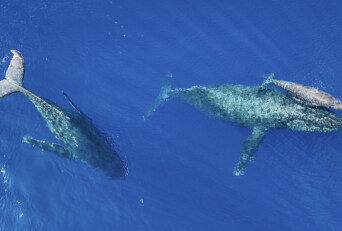
Whale watching isn’t defined by a single moment or behavior. It’s shaped by movement patterns, environmental conditions, and how whales choose to use an area over time. Looking beyond surface activity helps explain why some days feel quiet while still being full of meaningful interaction.
Whale Watching Is Influenced by Constantly Changing Conditions
Humpback whales don’t operate on a fixed schedule. Every day, they respond to a combination of environmental and biological factors that shift hour by hour.

Whale Behavior Depends on Purpose, Not Performance
One of the biggest misconceptions about whale watching is that whales are “performing” for observers. In reality, every behavior serves a purpose.

Maui’s Waters Host Different Whale Life Stages at Once
Maui isn’t just a pass-through location during whale season. It’s a breeding and calving destination, which means whales with very different needs share the same waters.

Whale Communication Happens Mostly Out of Sight
Much of what defines a whale-active day happens below the surface.
Humpback whales rely heavily on sound. Males sing complex songs. Groups exchange vocalizations. Mothers and calves stay in acoustic contact even when not visible.
Because sound travels far underwater, whales may be interacting long before or long after they surface. A day that looks quiet can still be rich with communication and movement beneath the waterline.

Weather Patterns Shape What You See, Not What’s There
Weather affects visibility, not whale presence.
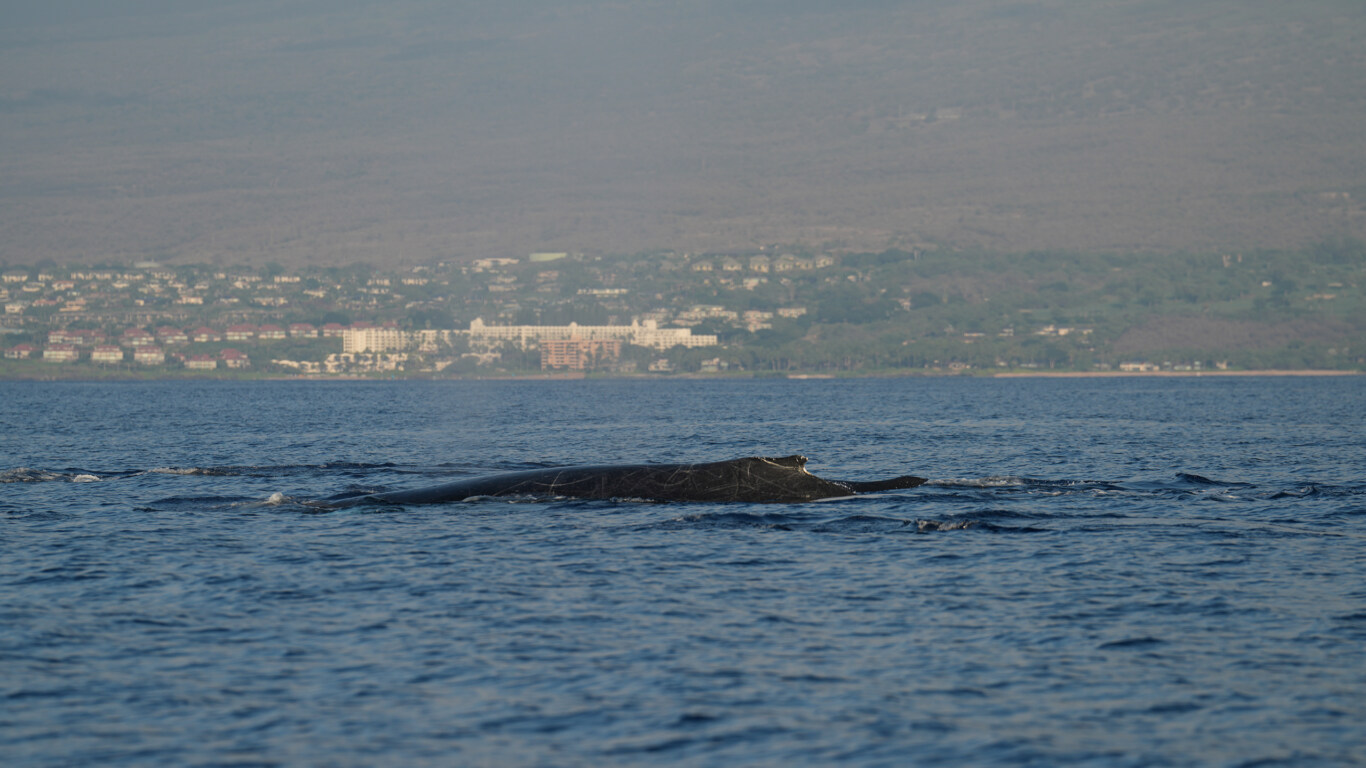
Cloud cover, wind, glare, and swell all change how easily surface behavior can be spotted. On calmer days, subtle cues like fluke tips, dorsal fins, or distant blows become easier to notice. On rougher days, the same whales may be harder to detect.
This is why experienced crews focus on patterns, not single moments. They’re reading the ocean as much as watching the whales.

Time of Day Matters More Than People Realize
Whale behavior often shifts throughout the day.
Morning hours can bring calmer conditions and resting whales. Midday may see increased movement or social interaction. Afternoon winds can change surface texture and visibility.
Two tours on the same day can feel completely different simply because they occur at different times.

Understanding Activity Enhances the Whale Watching Experience
The most memorable whale watching experiences often come from understanding why something is happening, not just seeing it happen.

Every day on
the water tells
a different story
No two whale watching days in Maui are ever the same because the ocean isn’t static and whales aren’t predictable. Each outing is shaped by conditions, purpose, and timing, creating a one-of-a-kind experience every time you head out on the water.
Approaching whale watching with curiosity rather than expectation opens the door to deeper appreciation and more lasting memories.