Kanaloa: The Hawaiian Ocean God
and Maui’s Reefs

Last updated: March 27, 2026

At Pride of Maui, the ocean isn’t just something you see. It’s something you experience. Beneath the surface, Maui’s reefs are shaped by movement, depth, and life.

In Hawaiian tradition, these qualities are often associated with Kanaloa, the akua of the ocean. While his story comes from mythology, the ideas behind it still reflect what you encounter in Maui’s waters today.

Understanding Kanaloa offers a different way to look at the ocean. Not just as a destination, but as a living system that changes with conditions, location, and time.

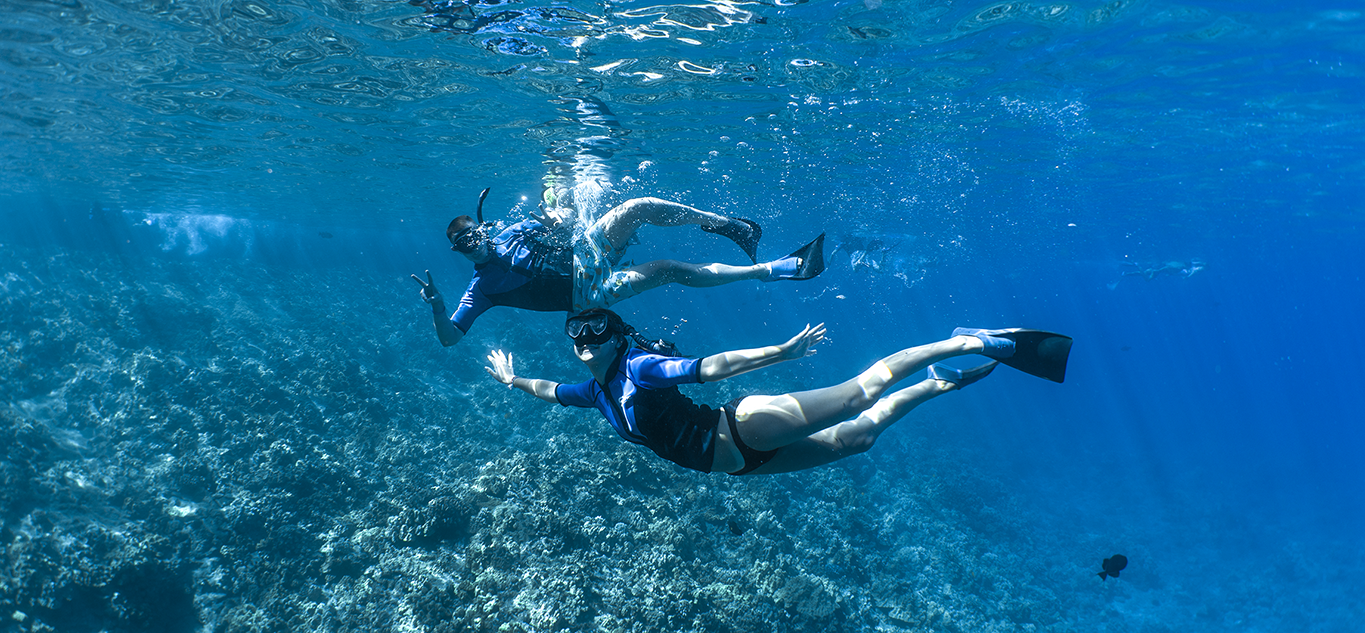
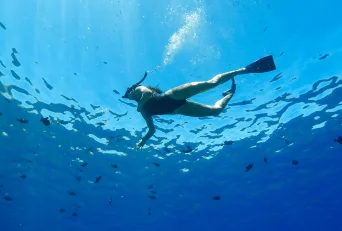
Two snorkelers glide above a vibrant Maui coral reef in clear blue water, symbolizing respectful connection to Kanaloa, the Hawaiian god of the ocean.

Kanaloa is often connected to the deeper aspects of the ocean. Its movement, its unknowns, and the life it supports. While these ideas come from tradition, they also describe real conditions in Maui.

When you step into the water here, you are entering an environment shaped by currents, reef structure, and depth. These are the same factors snorkel crews consider every day when choosing where to go.

In places like Molokini Crater, natural protection can create clearer, calmer conditions. Along the open coastline, those same elements can shift quickly, changing the experience from one day to the next.

Seen this way, Kanaloa is not just a figure from Hawaiian mythology. He represents the forces that shape the ocean you experience in Maui.

01

Who Is Kanaloa in Hawaiian Mythology?

Kanaloa is the Hawaiian god of the ocean, deep-sea voyaging, and healing through seawater. As one of the four major akua (gods) in Hawaiian mythology (alongside Kāne, Lono, and Kū), Kanaloa is spiritually connected to marine life, transformation, and navigation. He is often seen as a counterpart to Kāne, the god of creation and freshwater. While Kāne brings life through water on land, Kanaloa represents the depths of the sea: mysterious, vast, and spiritually potent.
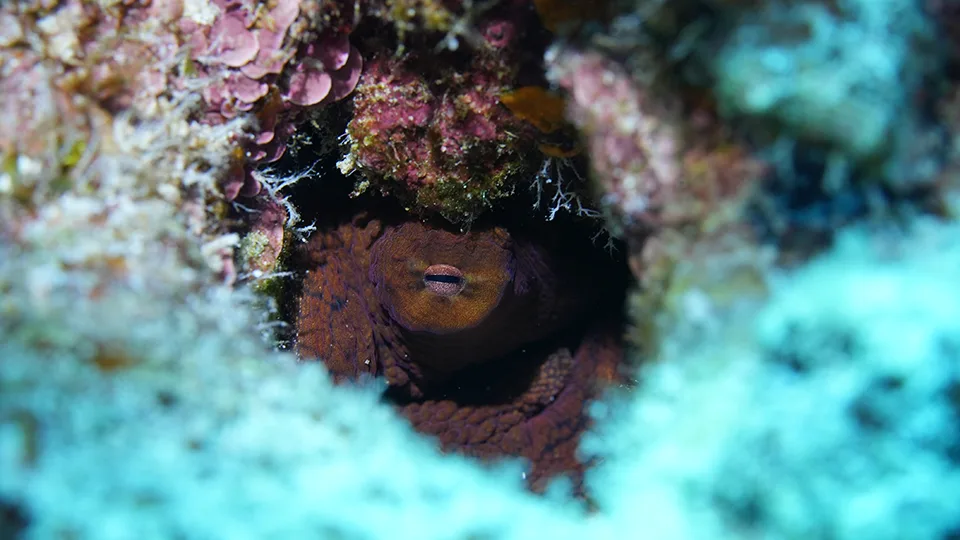
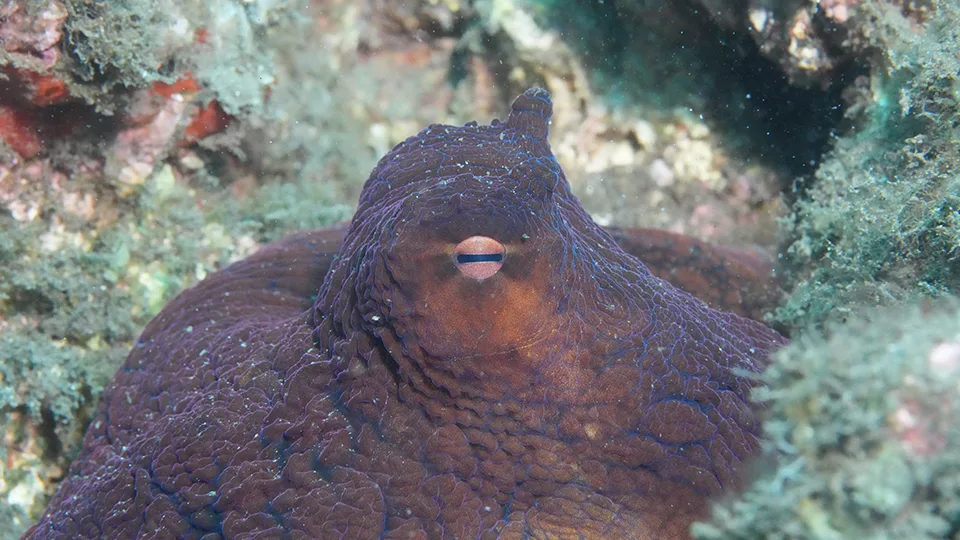
In traditional chants and oral histories, Kanaloa is associated with:

  • The open ocean and deep-sea navigation
  • Healing, particularly through seawater and marine plants
  • Transformation and the spirit world
  • The squid or heʻe (octopus) as his kinolau, or physical form

Kanaloa is more than a figure of reverence. He reflects how Hawaiians have long viewed the sea as a source of sustenance, healing, and spiritual connection. You can read more about his role in Hawaiian Antiquities by David Malo.

Respect for Kanaloa still shapes the way people approach the ocean, and it remains a big part of Maui snorkeling culture today.

That connection to the ocean is not only symbolic. In Maui, it can be seen in the way reefs form, how marine life gathers, and how conditions change beneath the surface.

View More about Who Is Kanaloa in Hawaiian Mythology?
02

Kanaloa and the Coral Reefs of Maui

While Kanaloa isn’t directly named in many legends about Molokini or specific reef sites, his influence is felt in the cultural framework that surrounds them. Reefs, fishponds, and tidepools were not just ecological zones, they were spaces of relationship between people and Kanaloa’s domain.
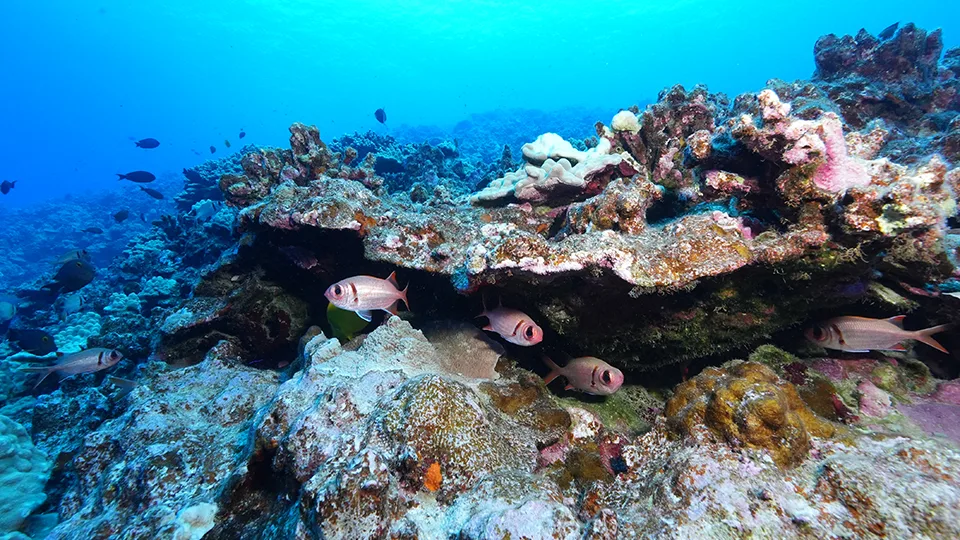
In pre-contact Hawaii, sustainable practices like kapu (seasonal closures) and pono (balance) were not just practical; they were spiritual obligations. The health of a reef reflected the health of a community’s relationship with Kanaloa and the ocean itself.

That worldview persists today at places like Molokini Crater, which holds both geological and mythological significance. While the most well-known Molokini story centers on Pele and a jealous lizard, Kanaloa’s presence lives in the ocean itself: in the currents, the reef structure, and the sacredness locals still feel when diving there.

These natural differences are part of what shapes each snorkeling experience, and they help explain why location matters as much as the reef itself.

View More about Kanaloa and the Coral Reefs of Maui
03

Where You Can Experience Maui’s Reefs Today

While Kanaloa represents the deeper forces of the ocean, those same forces shape where and how people experience Maui’s reefs today.

Not all snorkeling locations offer the same conditions. Some areas are naturally protected, while others are more exposed to wind, swell, and changing ocean movement.
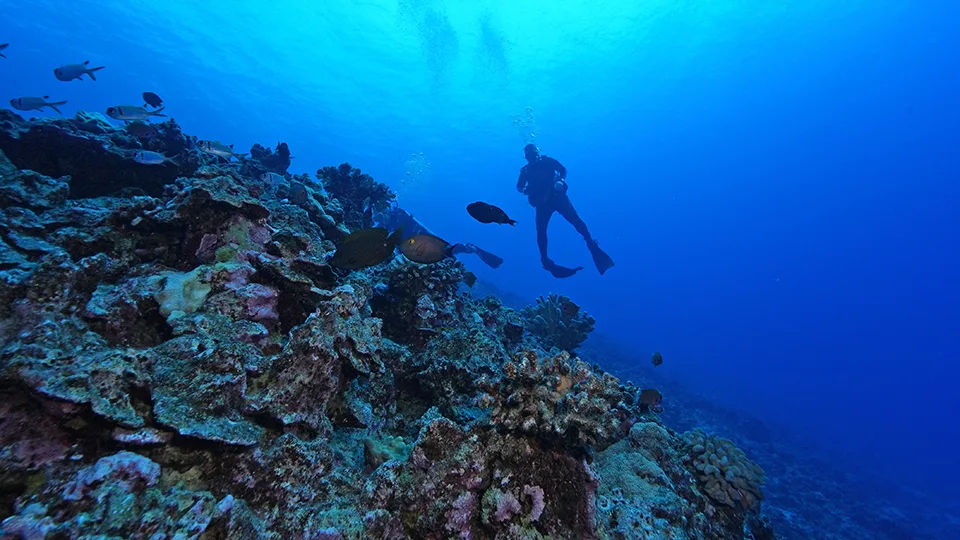
One of the most well-known locations is Molokini Crater. Its crescent shape helps block wind and ocean movement, which often leads to clearer visibility and a more stable snorkeling environment. This is one reason it is frequently chosen when conditions allow.

Along Maui’s coastline, snorkeling conditions can vary more from day to day. Some spots offer excellent experiences when the ocean is calm, but may be less predictable depending on weather and swell.

For guests, this is why location decisions matter. What may look like a small change on a map can significantly affect water clarity, comfort, and what you are able to see below the surface.

Experienced crews evaluate these factors daily, choosing locations that align with current conditions rather than following a fixed route. That approach helps create a safer, more consistent experience, while still allowing the ocean to guide the day.

Approaching the ocean this way, by observing conditions and adapting to them, reflects a mindset that has long been present in Hawaiian culture.

View More about Where You Can Experience Maui’s Reefs Today
04

Why Kanaloa Is Important in Hawaiian Culture Today

This way of approaching the ocean reflects a deeper cultural perspective that continues to shape how it is understood and experienced in Hawaiʻi today. However, restoration efforts, local conservation, and a renewed cultural movement are helping to revive reef health and reconnect people to traditional ocean knowledge.
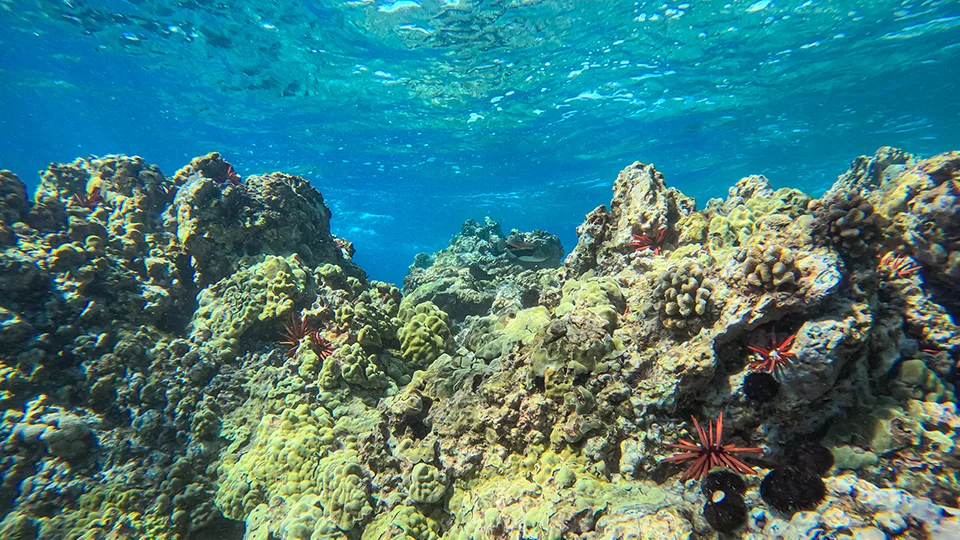
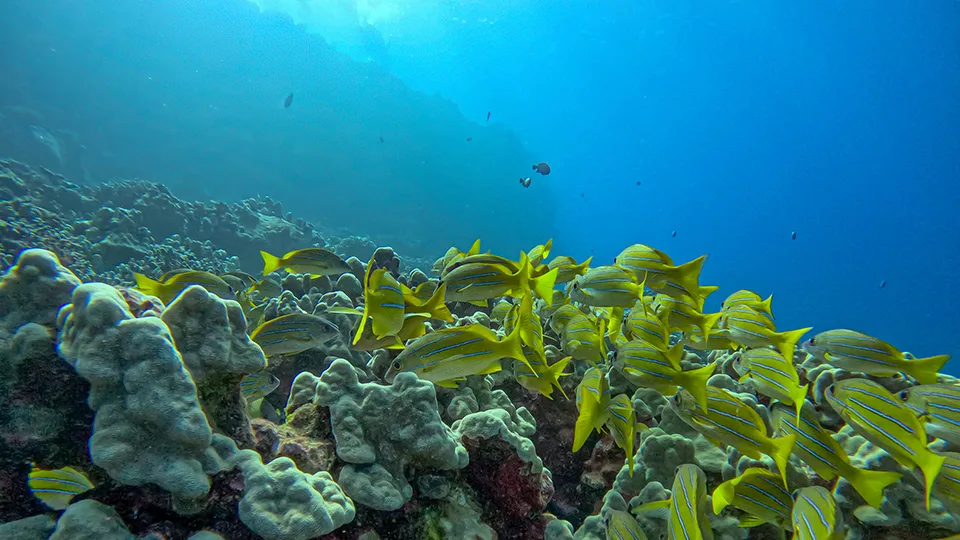
Learning about Kanaloa helps us engage with the ocean more consciously. When visitors learn that the reef is not just coral and fish but part of a sacred system, they often shift how they snorkel, fish, or even take photos.

To honor Kanaloa is to snorkel with care. To swim mindfully. To understand that the ocean has moods, memories, and mana.

For those interested in deeper cultural context, works like the Hawaiian Dictionary by Mary Kawena Pukui and the writings of Lilikalā Kameʻeleihiwa offer insight into how Hawaiian traditions understand ocean stewardship.

In this sense, Kanaloa’s role is not just symbolic. It reflects an ongoing relationship between people and the ocean, one that continues to influence how the water is approached and experienced in Maui today.

View More about Why Kanaloa Is Important in Hawaiian Culture Today

Whether you’re snorkeling at Molokini, visiting Coral Gardens, or simply curious about Maui’s marine life, we invite you to learn the stories beneath the surface. We share more insights, reef updates, and ocean photos in our Reddit community.

And if you’re ready to experience it firsthand, our crew is here to guide you, with reverence for Kanaloa and everything he still teaches us.

Ready to dive in? Explore our snorkel tours and see Maui’s reefs the way they were meant to be experienced.

Frequently Asked Questions

What does Kanaloa represent?

Kanaloa represents the ocean, deep-sea navigation, transformation, healing through seawater, and the spiritual aspects of marine life in Hawaiian culture.

How is Kanaloa connected to snorkeling in Maui?

Kanaloa symbolizes the respect and mindfulness snorkelers should have toward the ocean and reef ecosystems. His legacy emphasizes the importance of snorkeling responsibly and with cultural awareness.

What is Kanaloa’s kinolau?

Kanaloa’s kinolau, or physical form, is often represented by the heʻe (octopus), highlighting his deep connection to marine life.

A. Makai Smith

A. Makai Smith shares his passion for Hawaii’s culture and natural beauty through captivating travel stories. Combining insider insights with a commitment to sustainable tourism, his writing encourages readers to explore the islands responsibly. When he’s not crafting stories, you’ll find him out in nature hiking lush trails, riding waves, or snorkeling pristine reefs.